


Gudeng Precision Industrial Co (家登精密), a key supplier of extreme ultraviolet (EUV) and high numerical aperture EUV pods to Taiwan Semiconductor Manufacturing Co (TSMC, 台積電), yesterday said it is confident about artificial intelligence (AI) demand over the next three to five years, brushing off fears of another technology bubble like the Dotcom bubble in 2000.
“AI demand may seem a bit crazy. Our subsidiary, We Solutions Technology Co (家崎科技), helps assemble AI servers for Giga Computing Technology Co (技綱), but cannot fully satisfy customer demand, so it is expanding capacity,” Gudeng chairman Bill Chiu (邱銘乾) said at a media event in Taipei.
“This is solid demand,” Chiu said. “Unlike previous tech bubbles, I believe the current demand is tangible rather than just hype.”
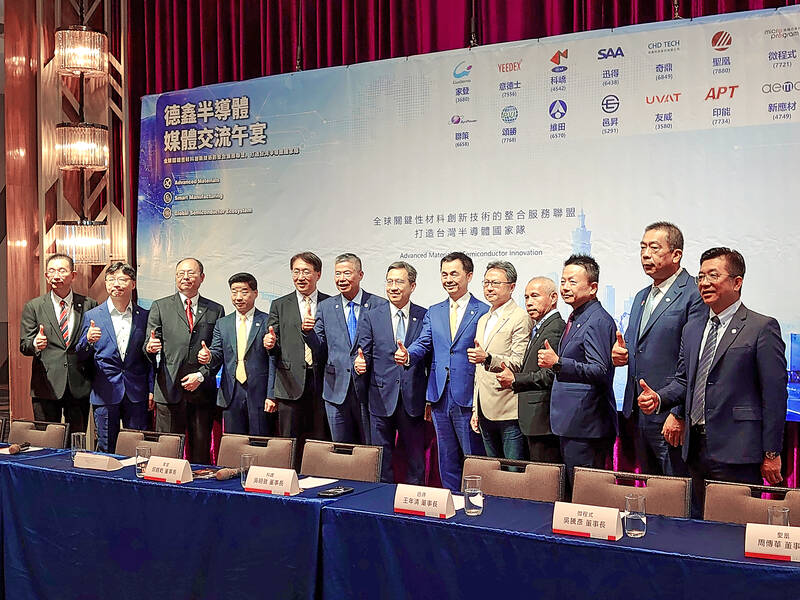
Photo: CNA
AI growth is especially “solid” for component suppliers such as printed circuit board makers and AI server assemblers, he said.
In order to access chip supply faster, Elon Musk’s Tesla Inc and SpaceX are floating the idea about building their own TeraFab, and Gudeng has been approached to support the project, Chiu said.
Chiu said Musk’s plan is impractical, as it would take time to build a 2-nanometer fab. In addition, as EUV scanner is a crucial equipment used in producing 2-nanometer chips, Musk has to overcome an EUV scanner bottleneck, given limited supply of optics systems from the world’s sole supplier, Zeiss, he added.
Separately, Chiu said he is in discussions with several local companies to create a new consortium to address growing demand for overseas operations, following the precedents of TSS Holdings Ltd (德鑫半導體控股) and TSS2 Holdings Ltd (德鑫貳半導體控股). The new consortium would expand its coverage beyond semiconductor companies, he said.
Three years ago, Gudeng and eight local semiconductor companies formed TSS Holdings to focus on their US operations. It has developed critical semiconductor materials and equipment, significantly shrunk delivery time, reduced costs and boosted supply resilience for customers, Chiu said. Last year, Gudeng joined with another 18 companies to create TSS2 Holdings, he added.
Members of TSS Holdings and TSS2 Holdings are all suppliers of TSMC. TSS2 are mostly back-end chip packaging equipment suppliers.
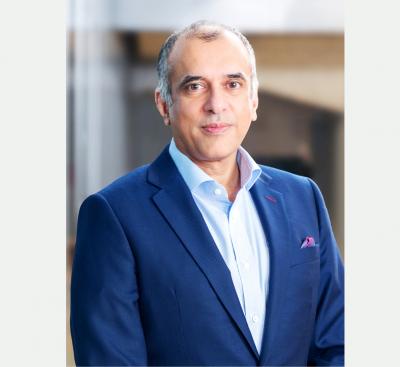
HSBC Holdings PLC is deepening its commitment to Taiwan as the economy emerges as one of the bank’s fastest-growing markets globally, driven by an artificial intelligence (AI) investment boom, expanding cross-border trade, and rising wealth creation. “The advantage that Taiwan has is a growth story linked to the semiconductor and broader AI industries, strong underlying corporate performance, and wealth creation,” said Surendra Rosha, HSBC’s co-chief executive for Asia and the Middle East, in an exclusive interview with the Taipei Times on June 2, during this year’s HSBC Taiwan Conference. That combination has helped HSBC cement its position as the most profitable international
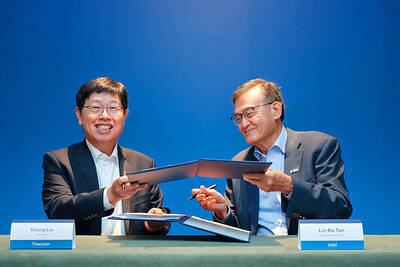
Hon Hai Precision Industry Co (鴻海精密) yesterday said it would work with US chipmaker Intel Corp to jointly develop and deploy next-generation artificial intelligence (AI) infrastructure and intelligent computing platforms in a move to capture booming demand for AI computing systems. Hon Hai, also known as Foxconn Technology Group (富士康), said in a statement that the partnership would combine its global manufacturing scale, system integration expertise and AI data center deployment capabilities with Intel’s strengths in processor architecture, silicon technologies and software ecosystem. The companies said they plan to work on equipment used in AI data centers, including server racks powered by
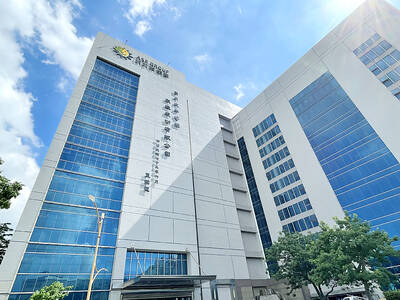
The average pay to employees by ASE Technology Holding Co (日月光投控) was the highest among the companies listed on the local main board last year, while contract chipmaker Taiwan Semiconductor Manufacturing Co (TSMC, 台積電) ranked seventh, the Taiwan Stock Exchange (TWSE) said on Monday. Data compiled by the exchange showed ASE Technology, the world’s largest chip packaging and testing services provider, paid its employees an average of NT$6.28 million (US$199,746) last year, up 40 percent from a year earlier. TSMC, the world’s largest contract chipmaker and the most profitable company in Taiwan, paid its employees NT$4.09 million on average, up
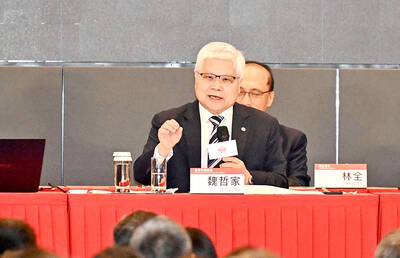
‘INSANE YEAR’: C.C. Wei said he is confident that Taiwan’s AI supply chain would fend off foreign competition, dismissing concerns South Korea would take over Taiwan Semiconductor Manufacturing Co (TSMC, 台積電) yesterday said an explosive demand for artificial intelligence (AI) chips has led to pervasive supply constraints and it is accelerating capacity expansions to avert bottlenecks. “We are trying not to become the bottleneck. Supply is a little bit tight as customer demand has outstripped what we can supply,” TSMC chairman and chief executive officer C.C. Wei (魏哲家) told a news conference after the company’s annual general meeting in Hsinchu City. “Customers have shown incredibly strong demand in recent years. The growth is insane this year, in particular,” Wei said. TSMC is also facing short supply of


 RSS
RSS