


Cat Restaurant and Public Bar (布貓餐廳)
23, Lane 177, Tunhua S. Rd., Sec. 1, Taipei (北市敦化南路177巷23號); tel: 2773-3211. Average meal: NT$180 (lunch); NT$ 280 (dinner). Noon to 11pm. English menu. Credit cards not accepted.
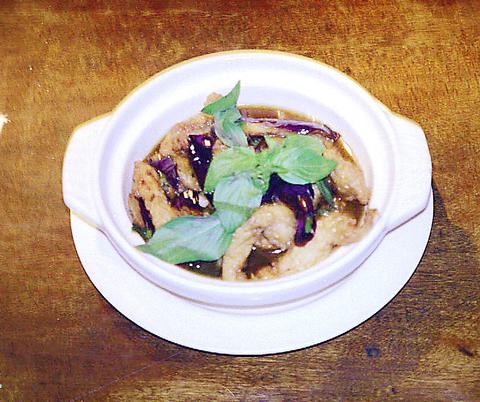
PHOTO: CHANG JU-PING
Tucked away in a quiet alley, this restaurant has an age-old mystic feel to it. The house is full of dark wood antique furniture imported from overseas. The tables are of all different shapes and sizes. Owner Johnson Wu (
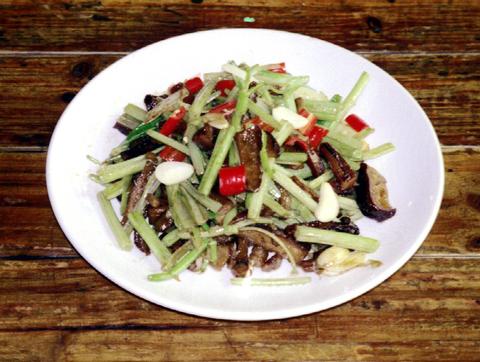
PHOTO: CHANG JU-PING
The food is home-style Chinese food, with lots of strong flavors and in ample servings ideal for those with a big stomach to fill. There are 10 lunch and dinner set menus as well as a la carte selections. The most popular dishes are cod with fried bean crumbs (
Happy hour falls between 9pm to 11pm, when drinks are three for the price of two. There is also a list of cocktails created by the restaurant team, with names associated with cats such as Jealous Cat, Evil Cat, and Cat's Whisper -- an extremely popular drink which is similar to a frappucino with a touch of alcohol.
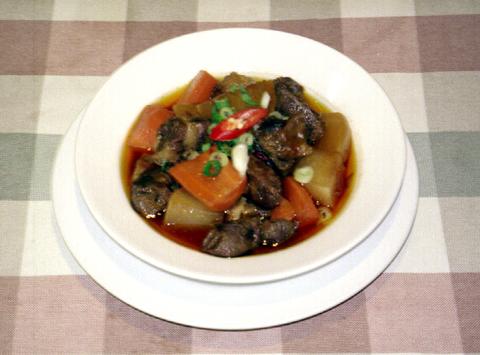
PHOTO: CHANG JU-PING
Meinung Noodle Place (美濃粄條)
72, Lane 187, Tunhua S. Rd., Sec. 1, Taipei (北市敦化南路一段187巷72號); tel: 2741-1910. Average meal: NT$250. 11:30am - 2pm; 5pm - 11pm. English menu. Credit cards accepted.
Named after the southern Taiwan Hakka town and with the feel of a country tavern, Meinung features Hakka food. Immerse yourself in an old fashioned southern town as you walk in. Listen to songs from the 1950s as you sit yourself on a rustic wooden bench to enjoy your meal. There's a variety of a la carte dishes to choose from. A popular item is spicy dried rice noodles (
with the foods. Soups are available to accompany the dishes.
Mother's Hands (老媽的菜)
1F, 23, Lane 187, Tunhua S. Rd., Sec. 1, Taipei (台北市敦化南路一段187巷23號1F); tel: 2711-9396. Average meal: NT$180 (lunch); NT$300 (dinner). 11:30am - 3pm; 5:30pm - 10:30pm. Credit cards accepted.
When Joy Lin (林詩樵) opened this restaurant 10 years ago and found herself in need of a chef, she decided to bring her 60-year-old mother into the venture. It was the right decision. Some of the best food is to be found at stalls or noisy traditional Chinese restaurants -- Mother's Hands retains the local flavors, but serves the food in a Mediterranean-style interior of white sandstone. This enhances the ambiance without sacrificing the quality of the food. Momma Lin's homey, tasty dishes, encompassing all regional flavors, such as Taiwanese, Hakka, and Sichuan (四川菜) have made this restaurant endure competition over the years. Standard dishes such as stewed beef (紅燒牛腩) and home-style bean curd (家常豆腐) are frequently requested here. Lin says for the home-style bean curd they use soft tofu and mix it with shredded pork, red pepper and green onion. This simple recipe has proved wildly popular. Fried cod and cabbage seasoned with bacon (培根高麗菜) is also popular. In case you don't know what to order, there are set meals for one, three and up to 12 people. Tea is served free. Beer, wine and coffee are available too.

“Taiwan’s Opposition Leader Comes to US With a Message Straight Out of Beijing” read a May 31 headline in the Wall Street Journal. Top US administration officials and members of Congress almost certainly read the WSJ, and if there was a bullet point takeaway that people in Washington should absorb ahead of Chinese Nationalist Party (KMT) Chair Cheng Li-wun’s (鄭麗文) arrival in DC on June 9, that headline is it. The last few columns have discussed this very topic, and the timing is not coincidental. While those top officials likely do not read the Taipei Times, judging by the number
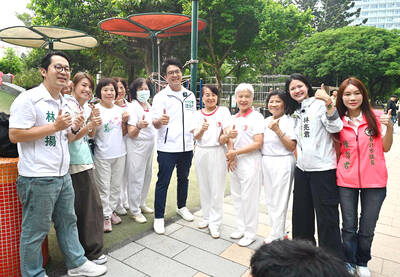
With weighty, anxiety-inducing geopolitical topics dominating the headlines, checking in on the wild and weird state of local politics can take some of the edge off. This November’s elections will determine who will be in charge of fixing potholes in your neighborhood, not the potholes in Taiwan’s complicated geopolitical space. Recently, after an online interview with a Taipei-based journalist, I commented that Taipei journalists never go further than the MRT can take them. He laughed and agreed. Naturally, the Taipei mayoral race is eating up much of the press attention. TAIPEI CITY Democratic Progressive Party (DPP) candidate Puma Shen (沈伯洋) has
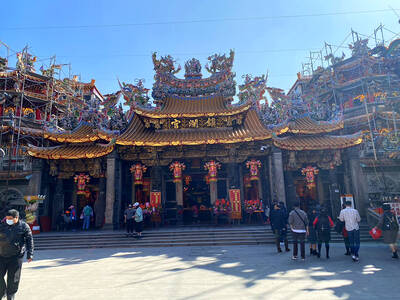
In December of 2008 Lee E-tin (李乙廷), a Miaoli county legislative hopeful, was convicted of vote-buying. Rather than buy votes retail, voter by voter, in the usual manner, Lee had done it wholesale, in a commendably efficient manner: he had visited local temples and made donations to gain their support. Because he did not normally make donations to temples, the court ruled he was attempting to improperly influence voter behavior. The case indicates how important temples are in influencing political life. Both judge and politician appeared to see them in the same way. Beijing sees them that way as well. Democratic Progressive
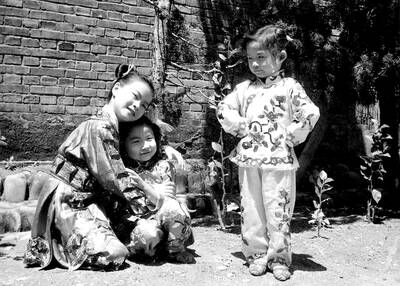
Audiences in Leicester, Cardiff, London and Sheffield will this month gather to watch a series of black-and-white Taiwanese-language films made more than 70 years ago. On the surface, these screenings commemorate the seventieth anniversary of taiyupian (台語片) — Taiwanese-language cinema. Yet the significance of these events extends far beyond nostalgia or film history. They represent a remarkable chapter in Taiwan’s ongoing effort to recover, preserve and reinterpret a cultural heritage that was once thought to have largely disappeared. The centerpiece of the program is the Ho Chi-ming (何基明) directed Xue Pinggui and Wang Baochuan (薛平貴與王寶釧), a film produced in 1955 and


 RSS
RSS